
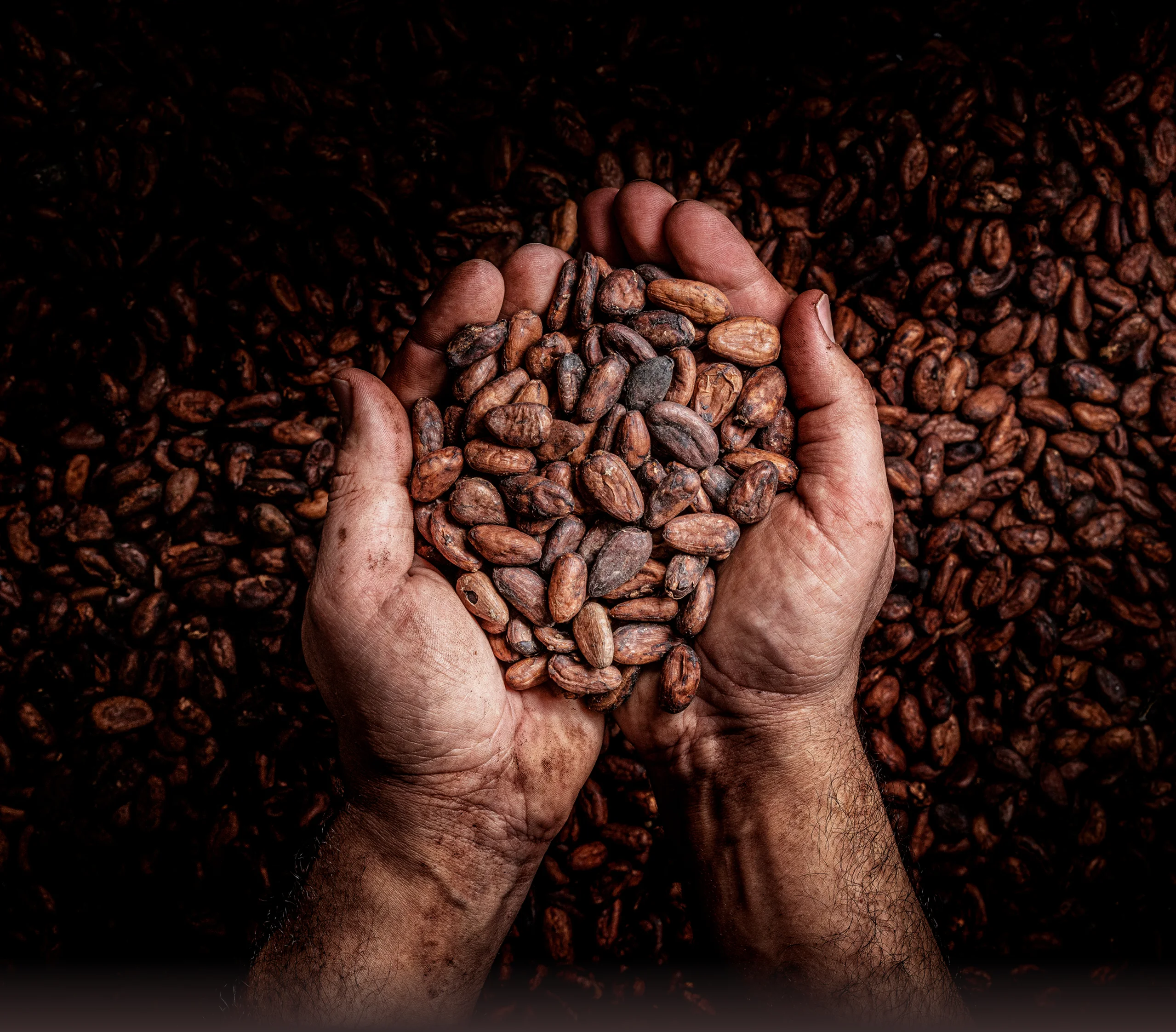
From cocoa to
chocolate
A journey into the world of cocoa,
from the plantation to the chocolate bar.
A journey of research, precision and respect
to reveal the soul of every cocoa
Every Domori chocolate is created long before the bar itself.
It stems from the search for the finest varieties, the care of the plantations, and the control of every stage of the transformation process. A process in which technology and expertise work together to preserve the aromatic richness of cocoa and transform it into its finest expression.
Cocoa Selection
The quality of chocolate begins in the fields.
It is here that Domori began its revolution: making the finest cocoa accessible to all, recovering rare varieties that often have lower yields but offer extraordinary aromatic complexity.
Through a scientific approach to cultivation, Domori has worked to preserve cocoa biodiversity, favoring propagation through grafting to preserve the genetic characteristics of the most prized varieties. The Criollo project represents one of the symbols of this research: safeguarding the world's rarest cocoa and its aromatic heritage.
Cocoa Harvest
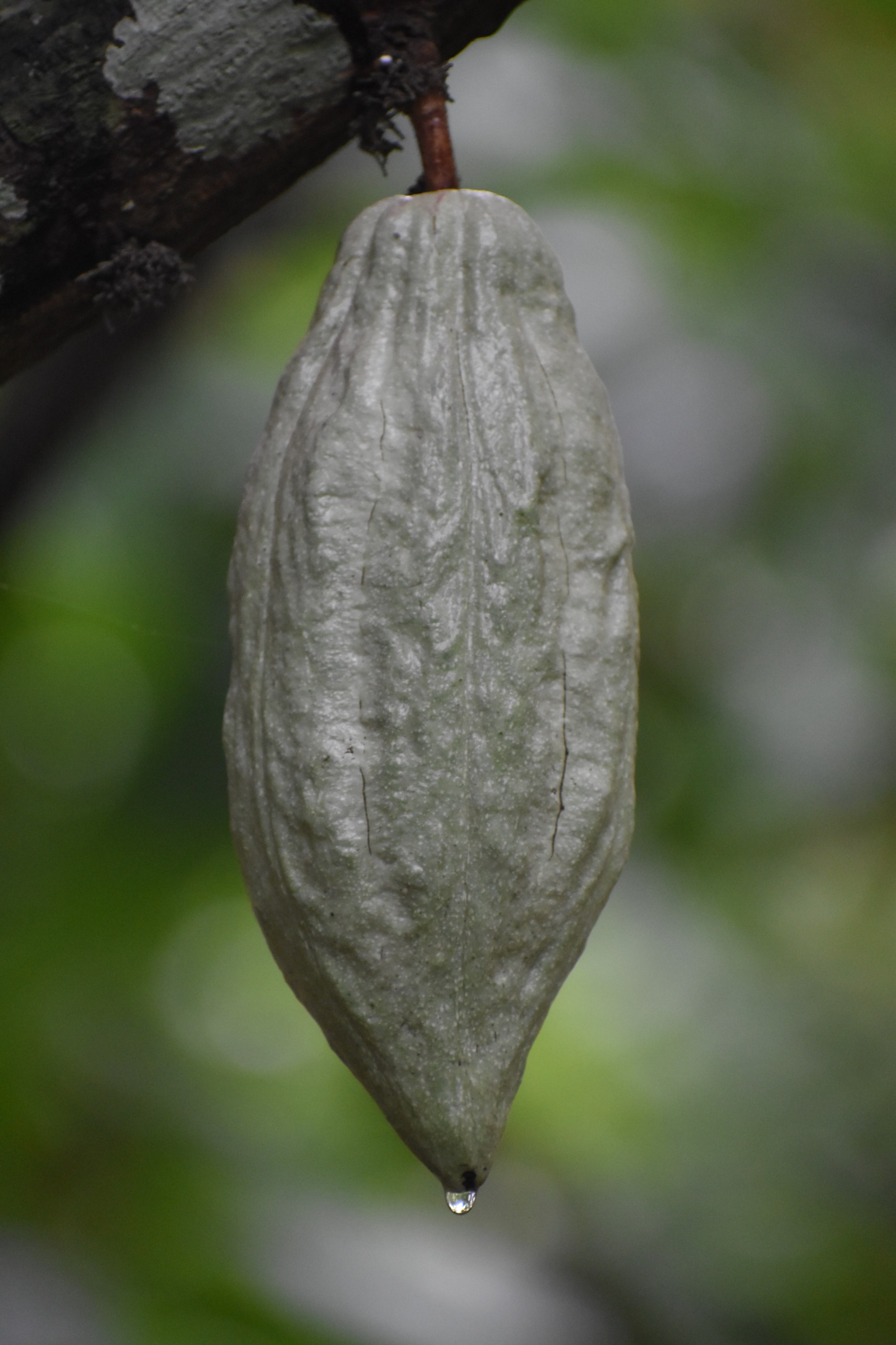
A cocoa plant generally begins to produce its first fruits after about five years.
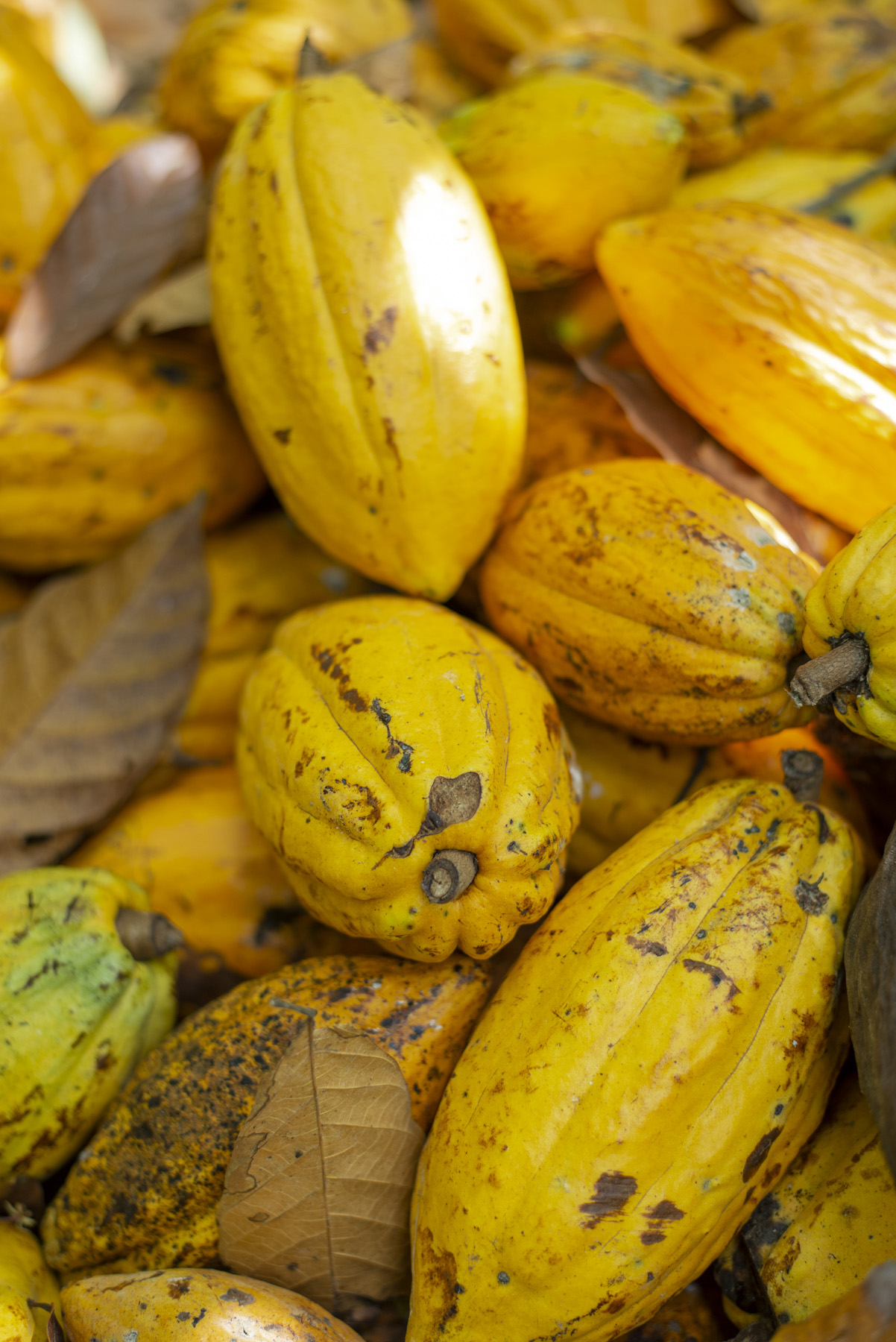
Each harvest is born from the experience and dedication of the grower: the pods are still selected and harvested by hand, respecting the plant's natural ripening times.
Each cocoa variety produces pods of different colors, and there is no universal rule for recognizing their ripeness: it is the grower's eye, honed by years of experience, that determines the perfect time for harvesting.
This knowledge has been passed down over time and is essential for preserving the quality of cocoa from its origins.
Fermentation
Approximately 75% of cocoa quality is created in the fields and in the early stages after harvest. Fermentation is the most delicate stage, when the precursors of the aromas that will characterize the future chocolate develop.
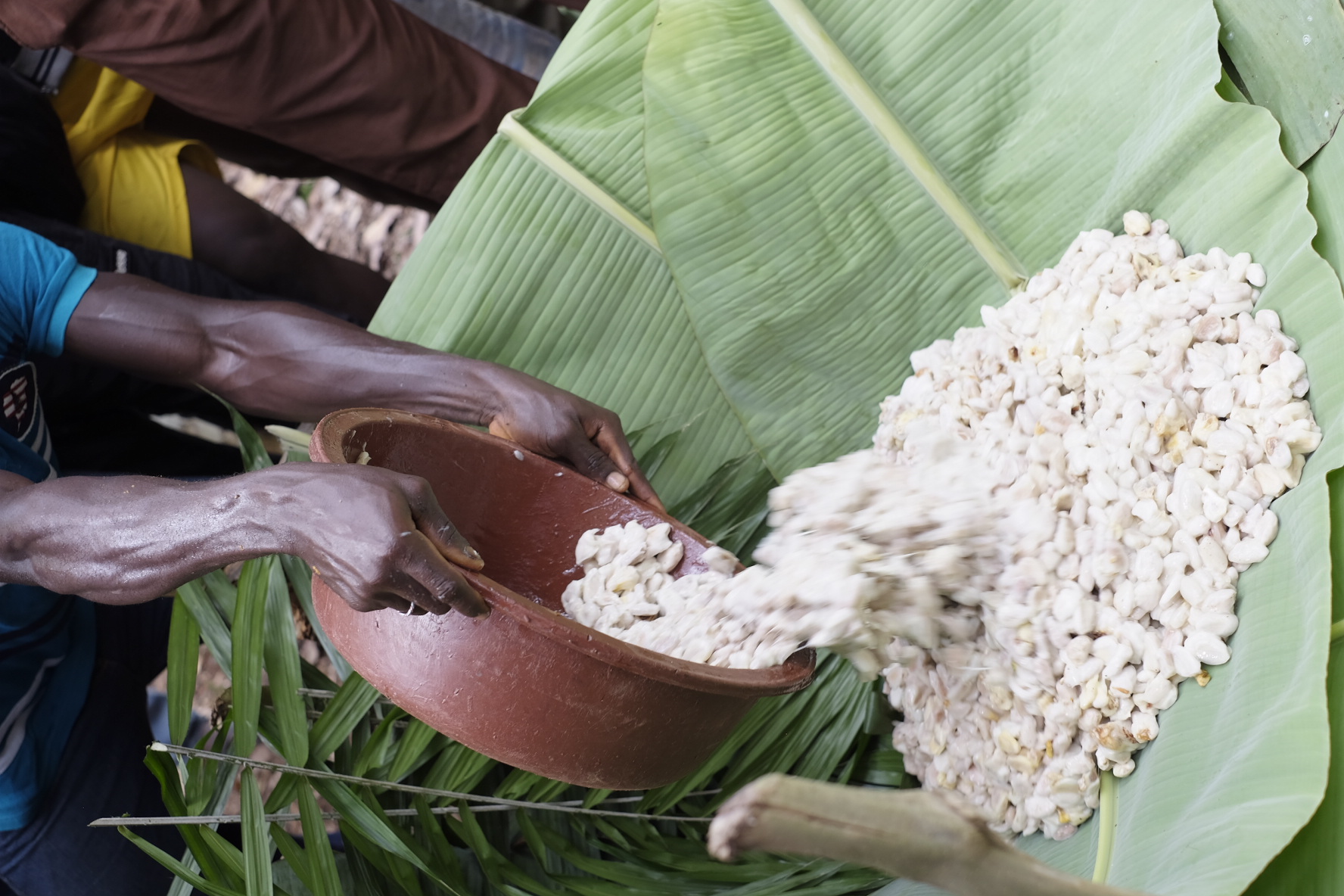
The beans, still wrapped in the natural pulp of the fruit, are placed in containers or laid on banana leaves and then covered.
The process unfolds in two phases: an initial alcoholic fermentation lasting about 1-2 days, followed by an acetic fermentation lasting 3-5 days.
Temperature, oxygenation, and duration are precisely controlled to reach the optimal point on the fermentation curve: reducing astringency, increasing roundness, and developing the aromatic complexity specific to each origin.
Drying
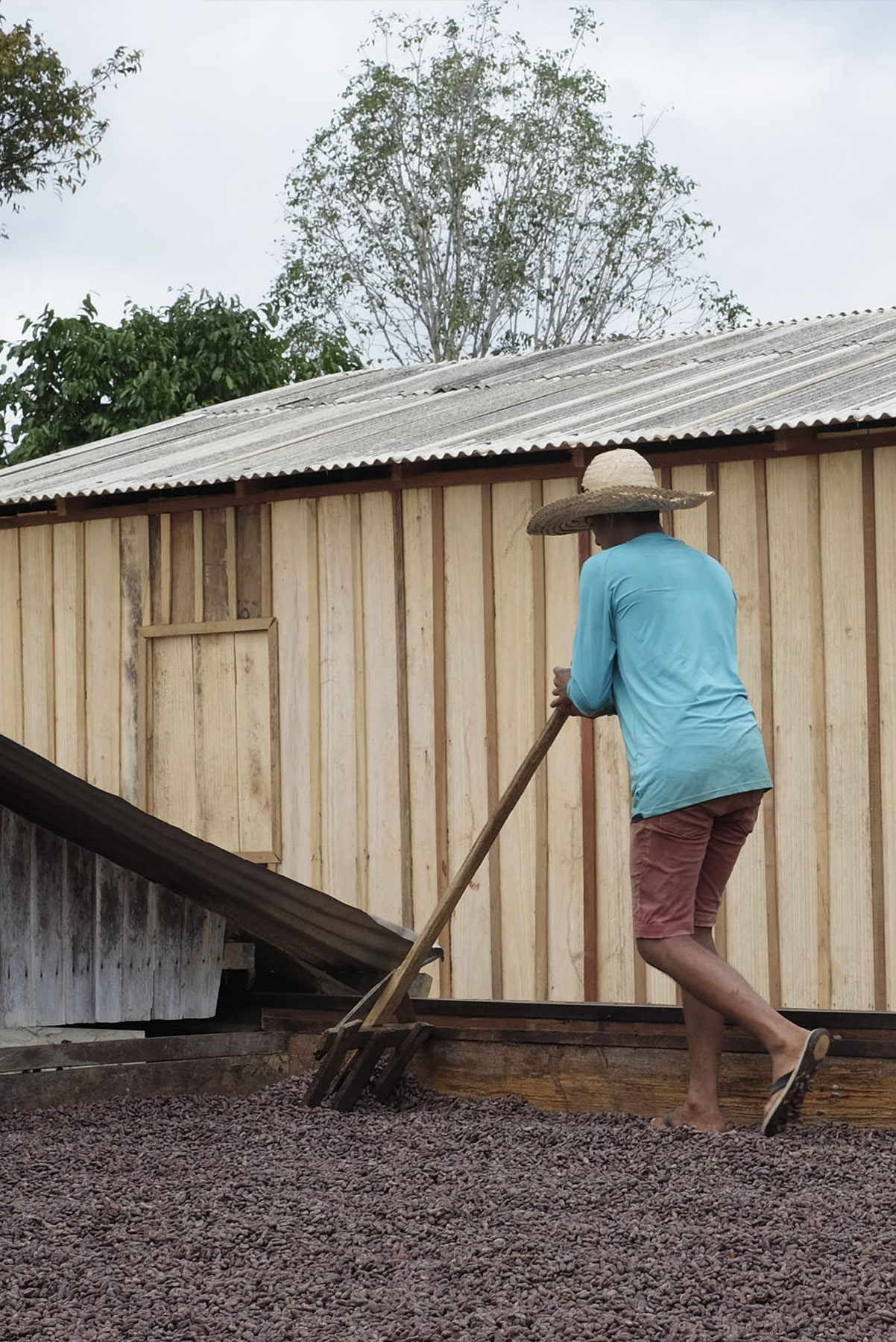
After fermentation, drying interrupts the fermentation processes and stabilizes the cocoa, preserving its quality and making the beans suitable for transport and storage.
Drying is preferably done in the open air and in the sun for about a week, with frequent movement to ensure uniform drying.
When climatic conditions, such as the rainy season, do not allow this, controlled hot-air dryers are used, designed to preserve the cocoa's aromas without altering its sensory profile.
This is a delicate phase: drying that is too rapid or uneven can compromise the work done during fermentation and affect the quality of the future chocolate.
SELECTION AND CONTROL
Before becoming Domori chocolate, each cocoa bean undergoes a rigorous selection process.
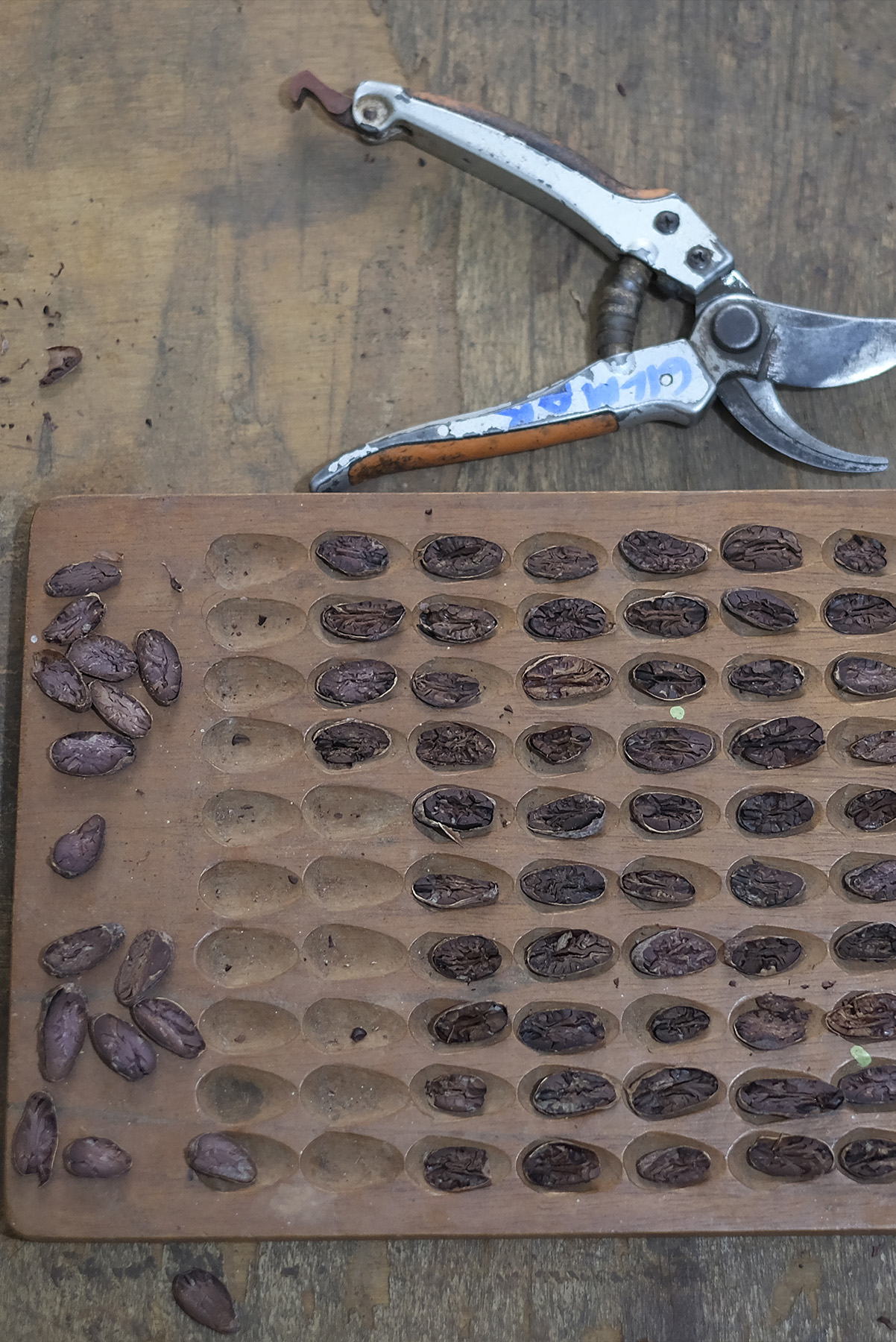
A representative sample (approximately 3 kg of beans) is analyzed through physical and sensory tests: the cut test evaluates the level of fermentation and internal quality of the beans, while specific analyses verify the batch's compliance.
Only cocoa that meets Domori standards is approved. The final evaluation involves a panel of experts and founder Gianluca Franzoni, who taste the chocolate to verify its balance, purity, and aromatic identity.
ROASTING
After batch approval and the arrival of the cocoa beans at the Domori plant, the cocoa undergoes an initial cleaning process to eliminate any natural impurities present after harvesting and transportation, preparing the raw material for the next roasting stage.
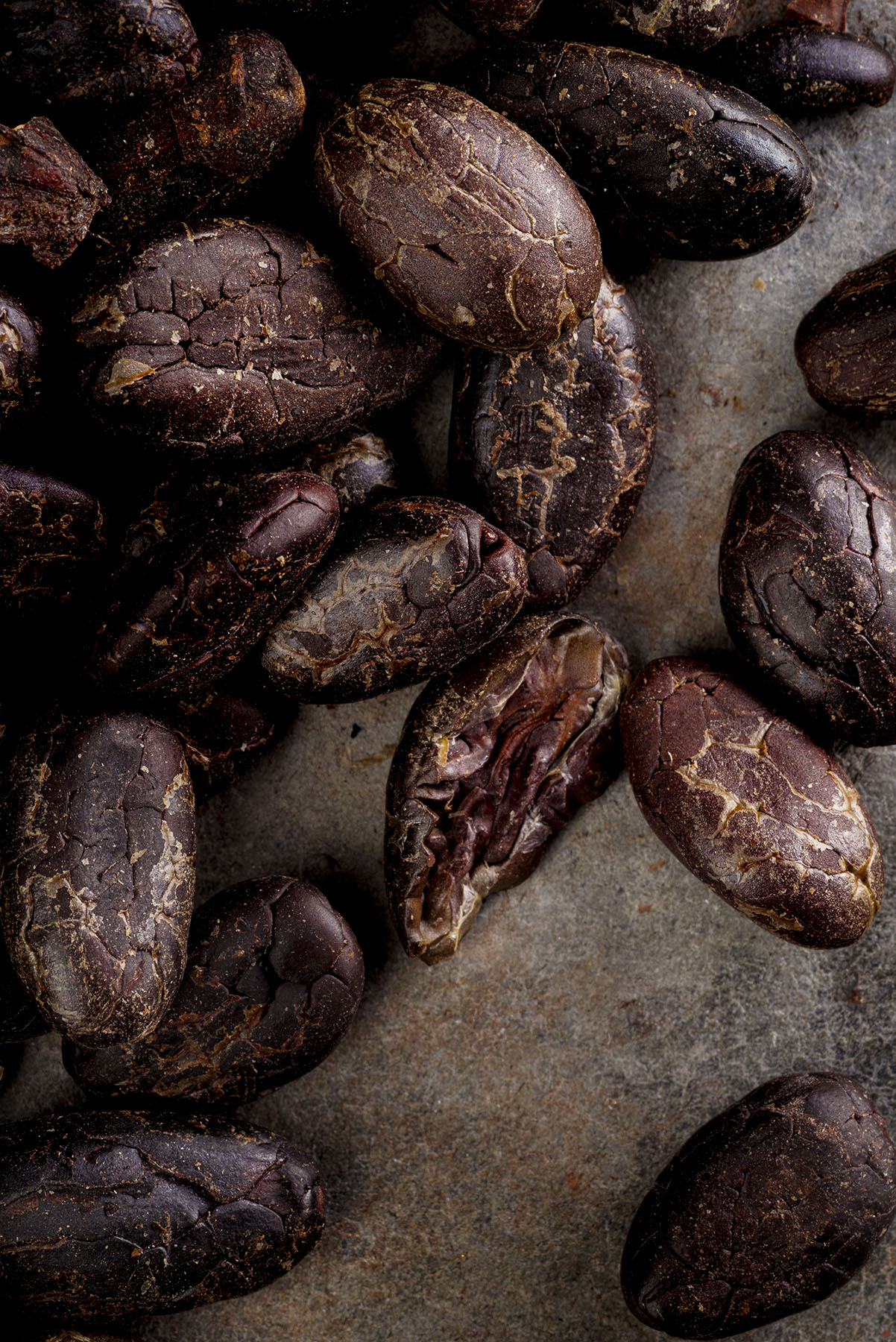
Roasting is a crucial step in developing cocoa's aromas, but it must respect its most authentic nature. Domori works exclusively with aromatic cocoa, characterized by careful fermentation and a rich sensory profile: this is why it uses a gentle process, designed to preserve and enhance the characteristics of each origin.
The beans are roasted at approximately 120°C, a temperature designed to enhance the cocoa's natural aromas without overshadowing its personality. Each origin follows a dedicated roasting profile, calibrated to maintain its distinctive notes: floral, fruity, spicy, or toasted.
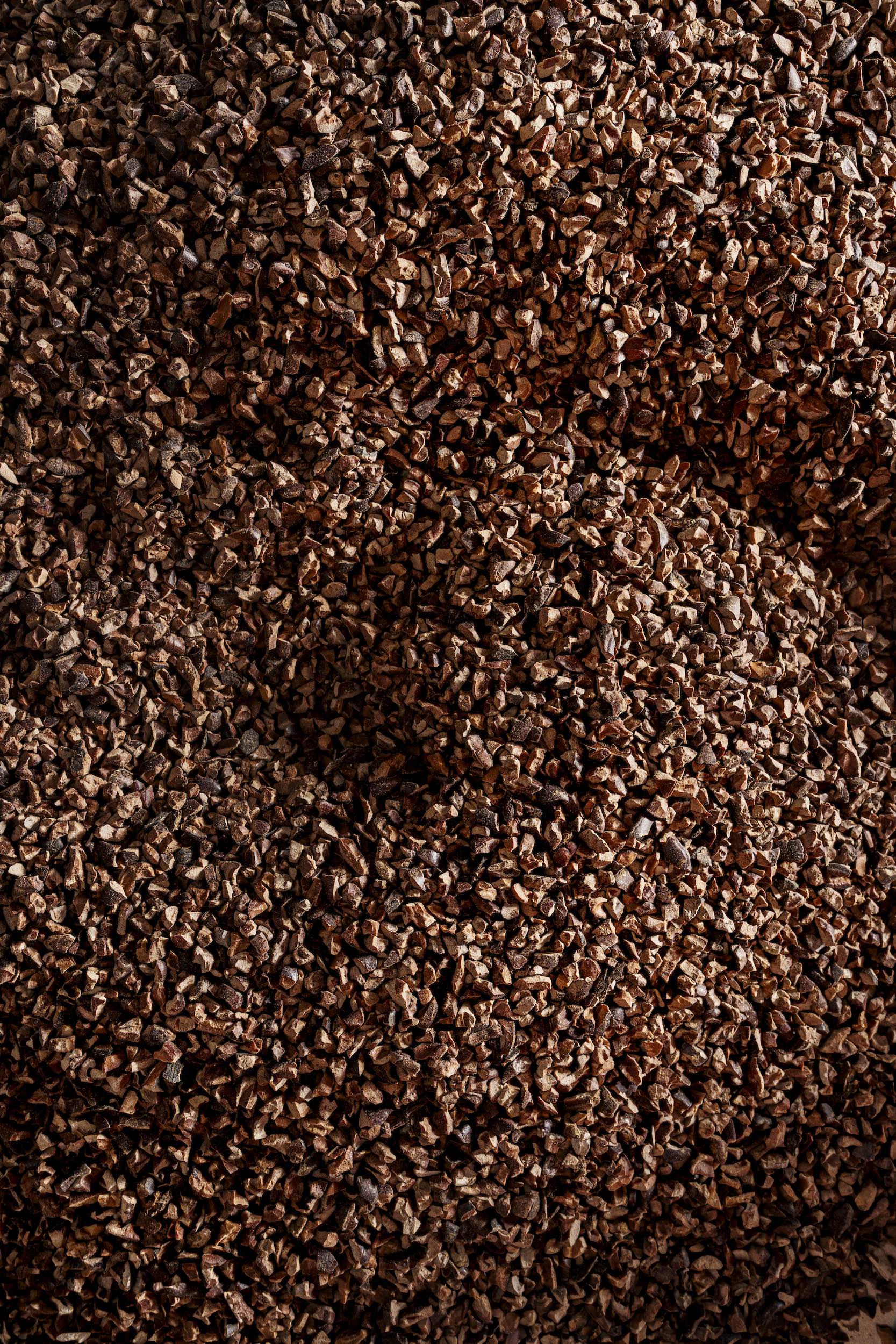
After roasting, the beans are peeled and transformed into cocoa nibs.
Refining
Then the refining process takes place using a ball mill, a technology that progressively reduces the size of the nibs to just a few microns, achieving an extremely fine and velvety texture. This delicate process is designed to preserve the aromatic complexity of the cocoa and transform it into a mass with an elegant and harmonious texture.
Refining produces cocoa liquor: this is the basis from which Domori chocolate comes to life: a pure raw material, encapsulating all the characteristics of the origin and variety of selected cocoa.
To this raw material, only the ingredients necessary to create the final recipe are added.
In Domori dark chocolates, cocoa remains the undisputed protagonist, complemented by sugar to enhance its natural aromatic complexity without altering its identity.
To fully respect the expression of cocoa, Domori chooses not to add cocoa butter to its dark chocolate recipes: a neutral fat, devoid of an aromatic profile, which would not enhance the personality of the selected cocoa.
Using ingredients devoid of character would mean straying from its most authentic identity: like adding water to a great wine, it wouldn't enhance its origins, but rather attenuate its complexity.
Similarly, Domori doesn't use vegetable fats other than cocoa, as they would alter the natural balance and purity of the raw material.
A philosophy founded on simplicity: few ingredients, no superfluous elements, to allow the personality of each cocoa to fully express itself.
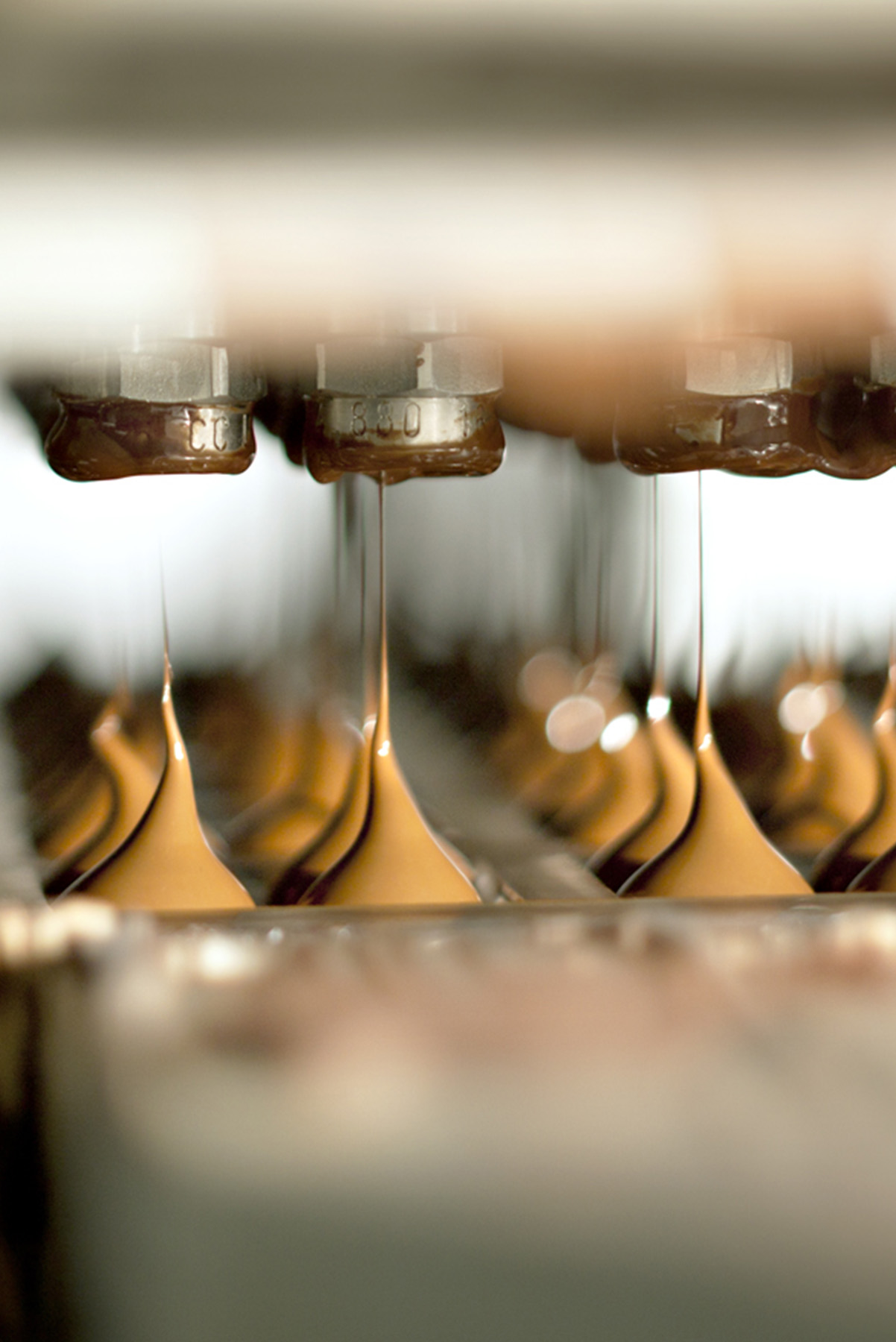
TEMPERING AND MODELING
Tempering is a crucial step that allows for the proper crystallization of cocoa butter. Through precise temperature control, the cocoa butter crystals stabilize in the desired shape, giving the chocolate brilliance, structure, and the characteristic "snap," the crisp sound of the bar breaking.
Tempering is not just a technical step, but a balance of precision that allows the quality built throughout the entire process—from plantation to refining—to be expressed in the final product.
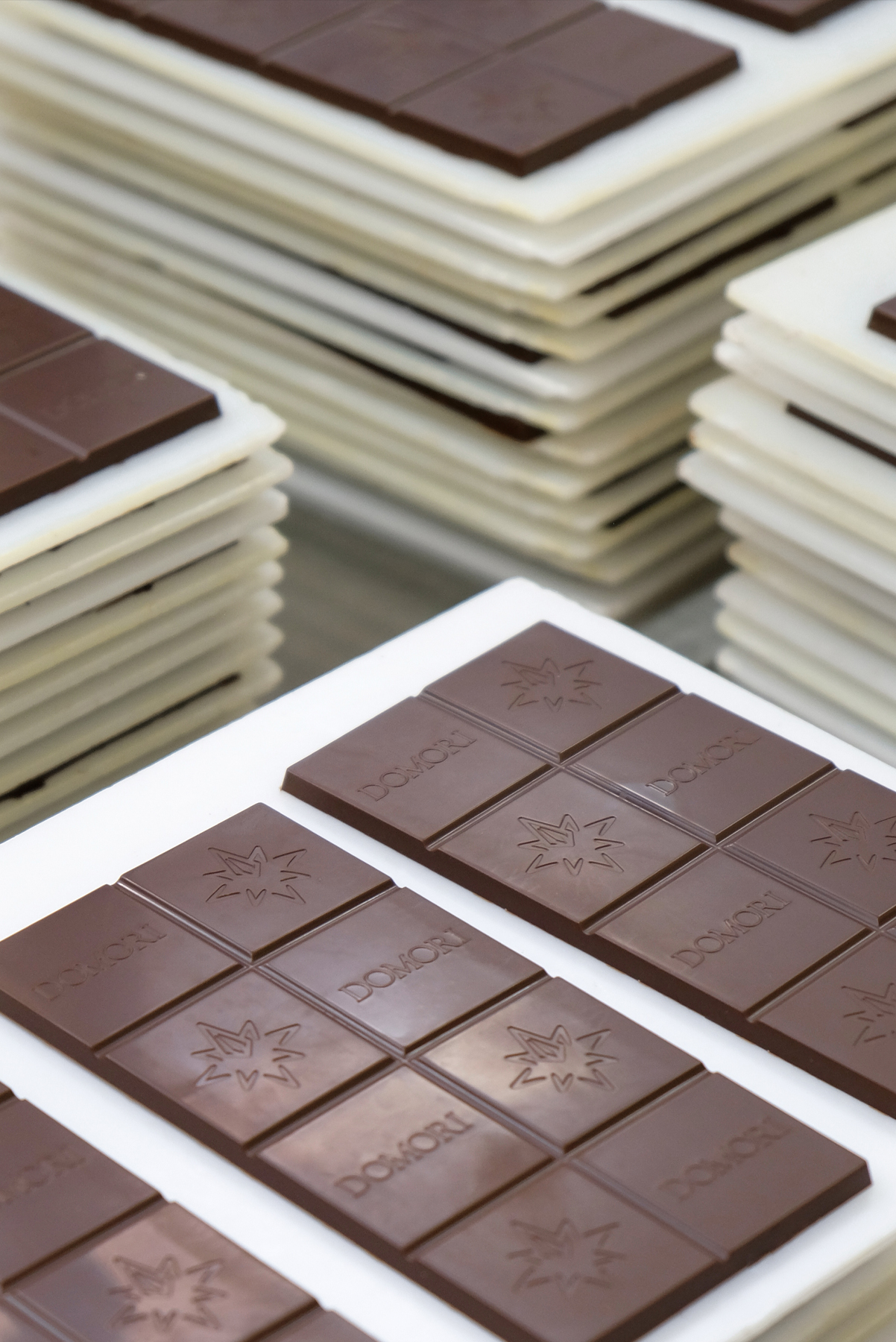
Only after this stage is the chocolate poured into molds and shaped into its final form, ready to express the identity of the cocoa from which it was born.
THE PRODUCT IS READY
The final result is a chocolate in which every stage of the process has a single goal: preserving the cocoa's identity.
Domori produces primarily dark chocolates using technologies dedicated to processing aromatic cocoa, designed to respect the delicate nature of the raw material.
A continuous effort to "clean up the technology": eliminating what is superfluous to make room for the purity, complexity, and authenticity of the cocoa.
.png "#interminati_spazi2026: il gusto di sentirsi a casa.")
.png "Salone del Libro 2026: il “Salotto dell’Indice” al Domori Store per il Salone Off Torino")



.png "Chocolier Courses - January 14 and 15, 2026")